What can we still trust these days?
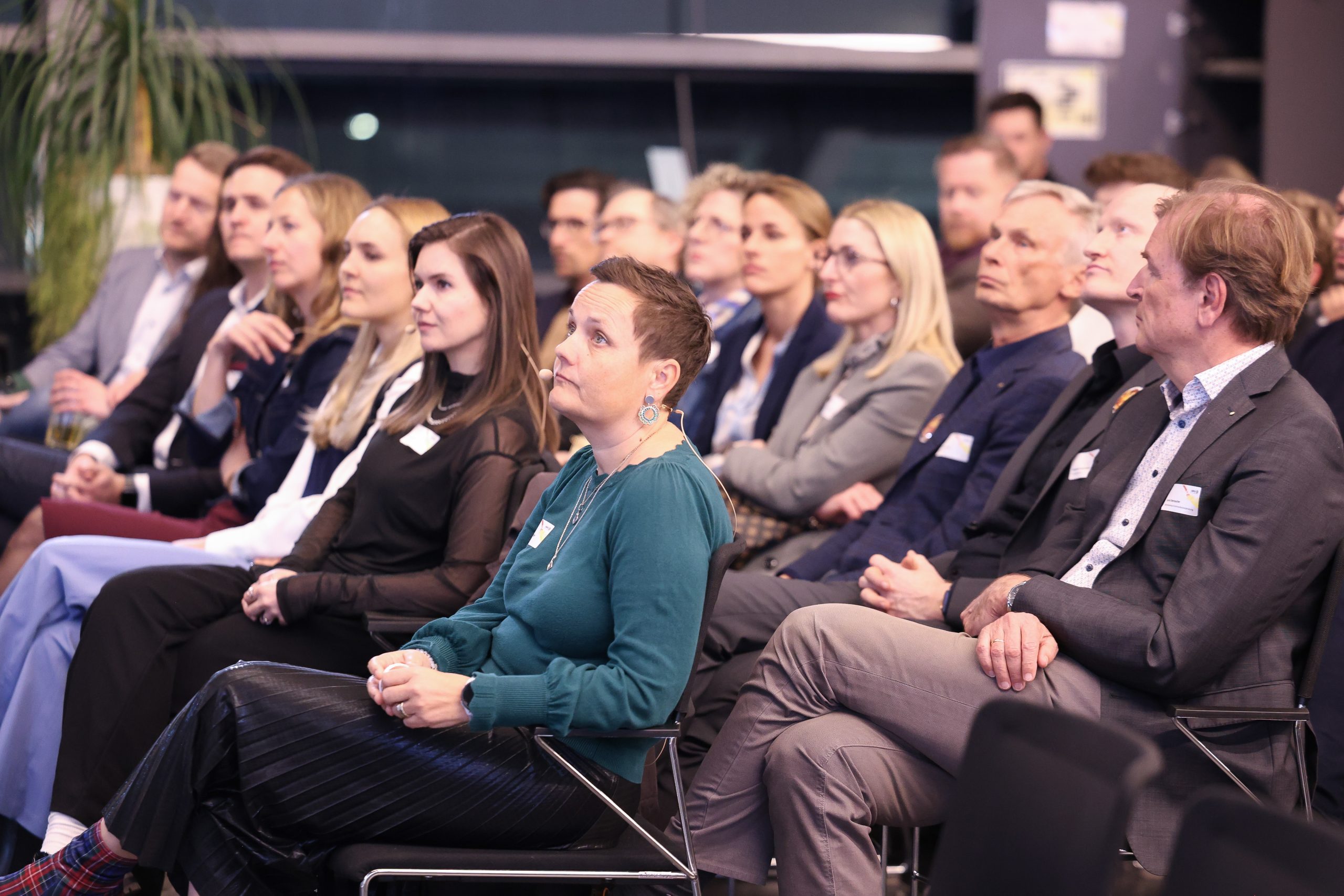
This question was the focus of the latest instalment of the ‘Best of Marketing & Sales’ event series at CAMPUS 02 UAS. Around 90 participants accepted the invitation to discuss a topic that concerns businesses, the media and society alike: trust – or, to be more precise, its gradual erosion.
Under the title “Trust me if you can – Corporate communication in an age of fake news and mistrust”, it quickly became clear that we have long been operating in a communications environment that is more complex, faster-paced and more contradictory than ever before.
Between information overload and a loss of control
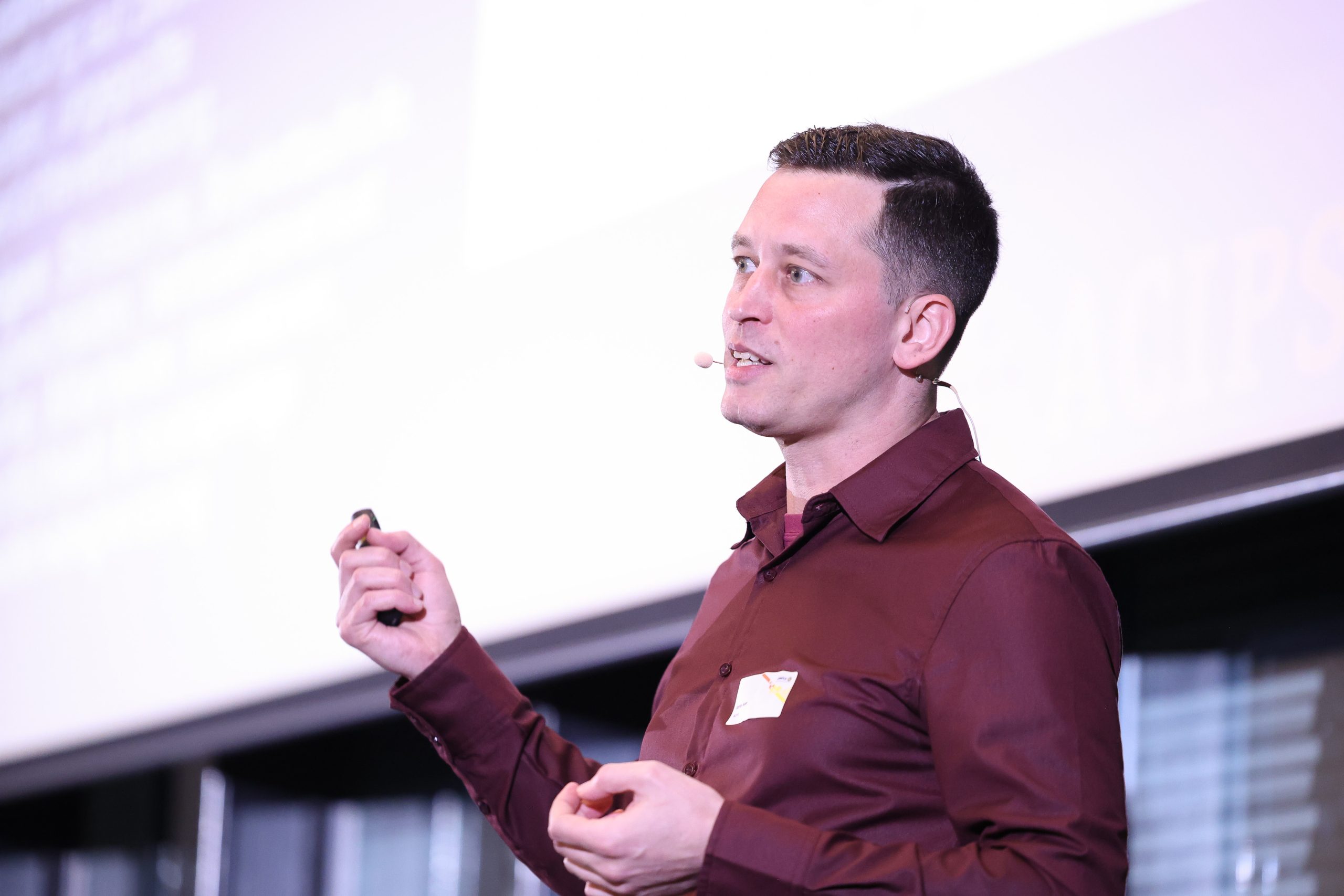
The event was kicked off by Stefan Auer (researcher at ACIPPS / Head of SINFO), who gave an impressive demonstration of how our media ecosystem has changed in recent years. Whilst traditional media are under increasing economic pressure, social media have created a completely new dynamic: faster, more emotional and, above all, more personalised.
Nowadays, everyone exists within their own algorithmically curated information bubble. Content is no longer simply consumed – it is filtered, amplified and specifically targeted. Content that triggers emotions or confirms existing opinions, in particular, achieves a wide reach.
However, this development also brings with it certain risks. Disinformation is spreading faster than ever and – regardless of its truthfulness – can have a significant impact on perceptions and trust. For businesses, this means that communication is no longer simply a matter of the message itself, but increasingly also a matter of resilience.
Or, as it was aptly put during the keynote speech:
“A lie travels halfway around the world before the truth has even put its shoes on.”
When mistrust becomes the new normal
One key idea from the evening sticks in the mind: although awareness of fake news is growing, it is precisely this knowledge that often leads to a general loss of trust. If everything could potentially be manipulated, ultimately everything is called into question.
This can be particularly challenging for brands. After all, reputational risks today arise not only from actual mistakes, but also from the deliberate or unintentional dissemination of false information.
The event went on to explore in greater depth what this means in practical terms for communication and what strategies companies can develop.
Authenticity – both a claim and a performance
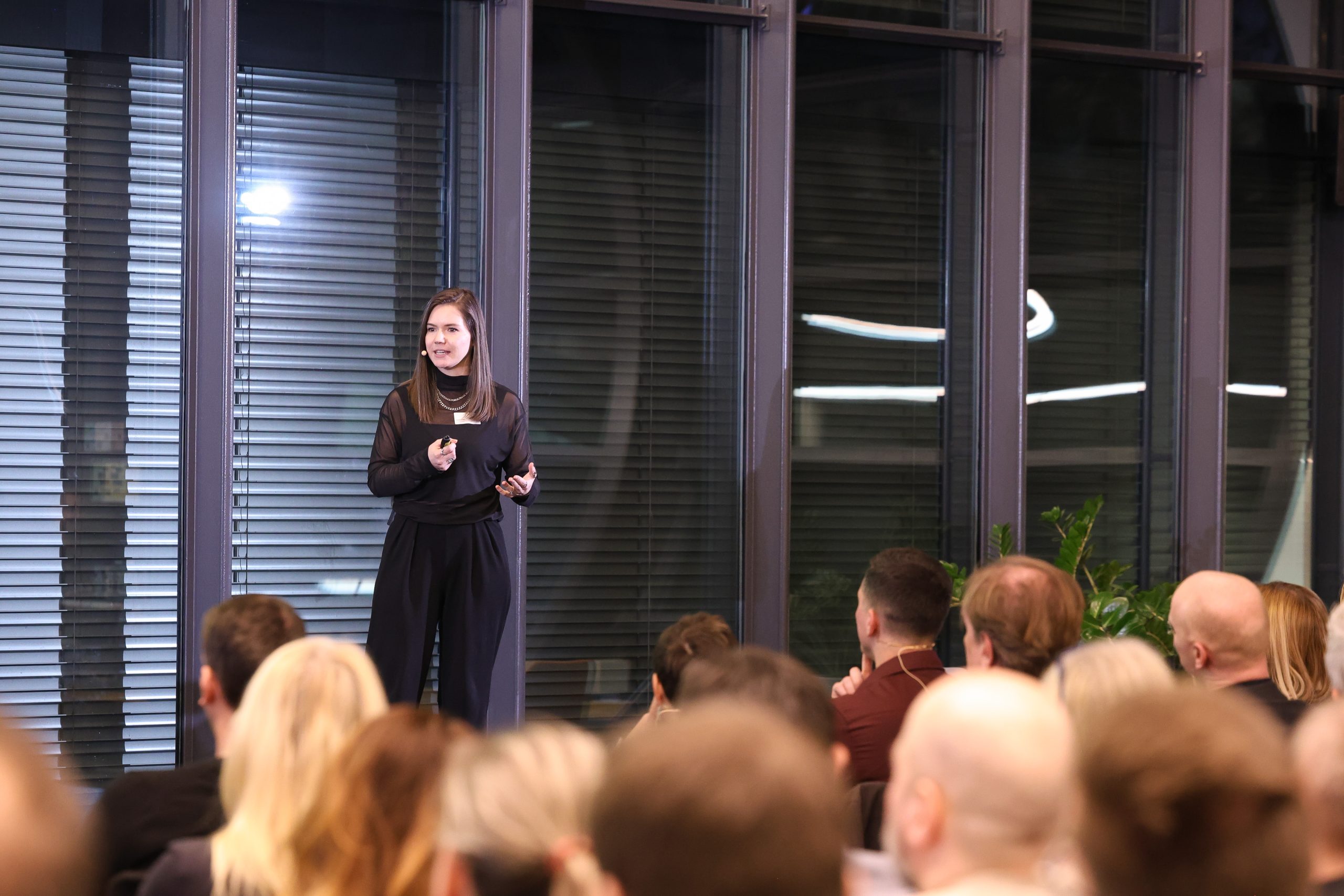
In the second talk, Kathrin Hiller (CEO & Co-Founder of KPTN Marketing) focused on a concept that is ubiquitous in marketing: authenticity. But what does it actually mean to communicate ‘authentically’?
Social media, in particular, highlights a tension: on the one hand, users expect authentic, relatable content. On the other hand, this very content rarely comes about by chance. It is planned, designed and optimised – often down to the last detail.
“The first three seconds have to be spot on,”
Hiller summed it up.
Authenticity is therefore not merely a state of being, but rather the result of conscious decisions. Companies must design content in such a way that it appears credible whilst also complying with the platforms’ mechanisms.
The Social Media Stage
A particularly striking image: social media as a stage. Companies, brands and even individuals operate in a space characterised by attention, speed and the art of presentation.
Whether it’s so-called ‘brand ambassadors’, influencers or spontaneous video formats, successful content manages to create a sense of connection without losing sight of its strategic foundation.
At the same time, it is clear just how sensitive users are to inconsistencies. Anything perceived as inauthentic can quickly be criticised or even parodied – often publicly and in real time.
Trust as a strategic success factor
What both keynote speeches have in common is a key insight: trust is becoming the decisive currency in communication.
Trust is not built through complete transparency or utter candour, but through a balance: between clarity and adaptability, between principle and presentation, between strategy and humanity.
This balance is becoming increasingly important, particularly in the context of AI-generated content and automated communication.
A topic that remains
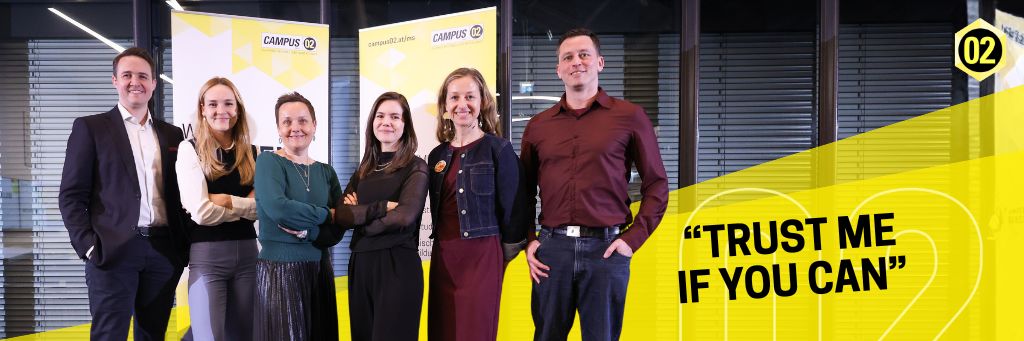
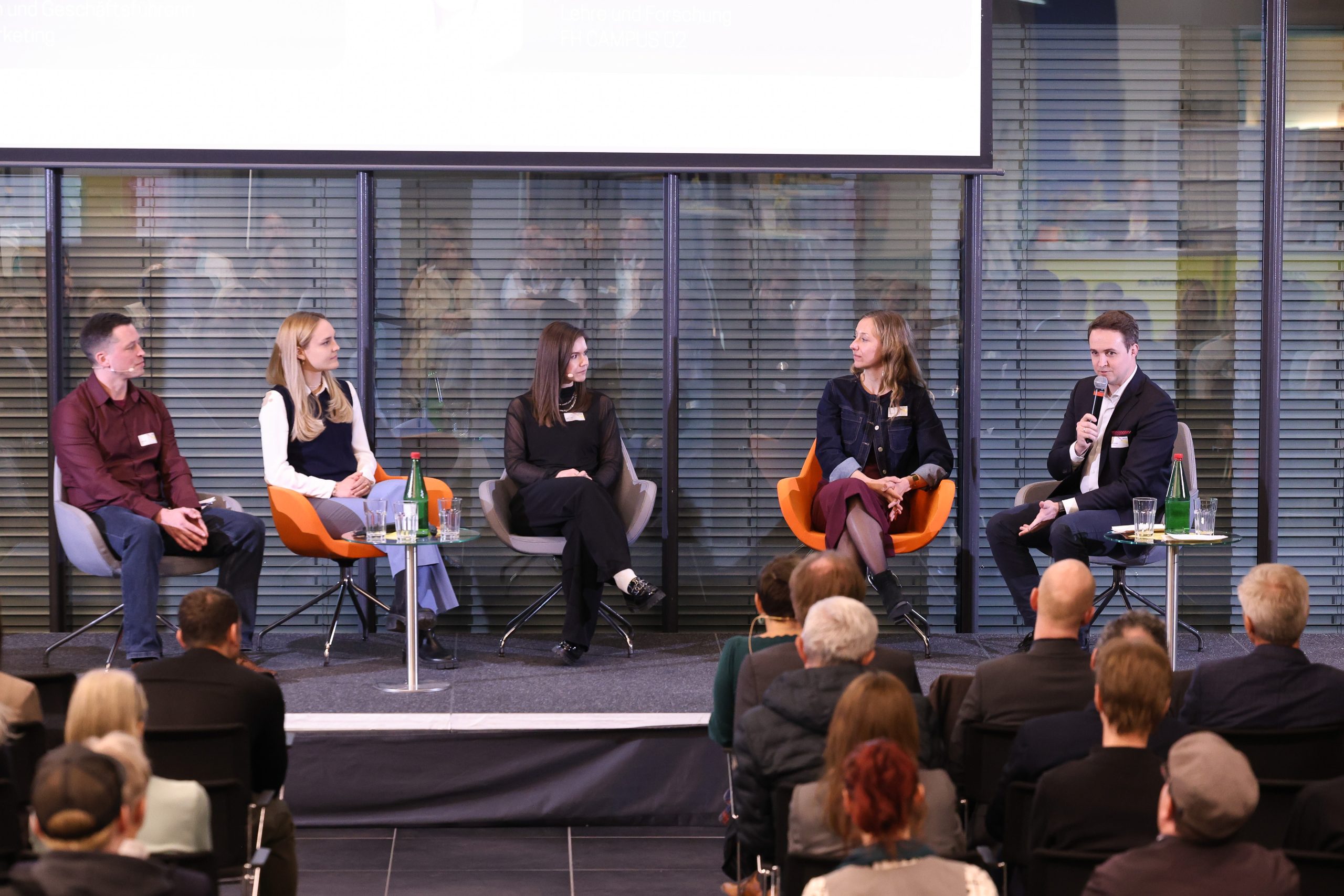
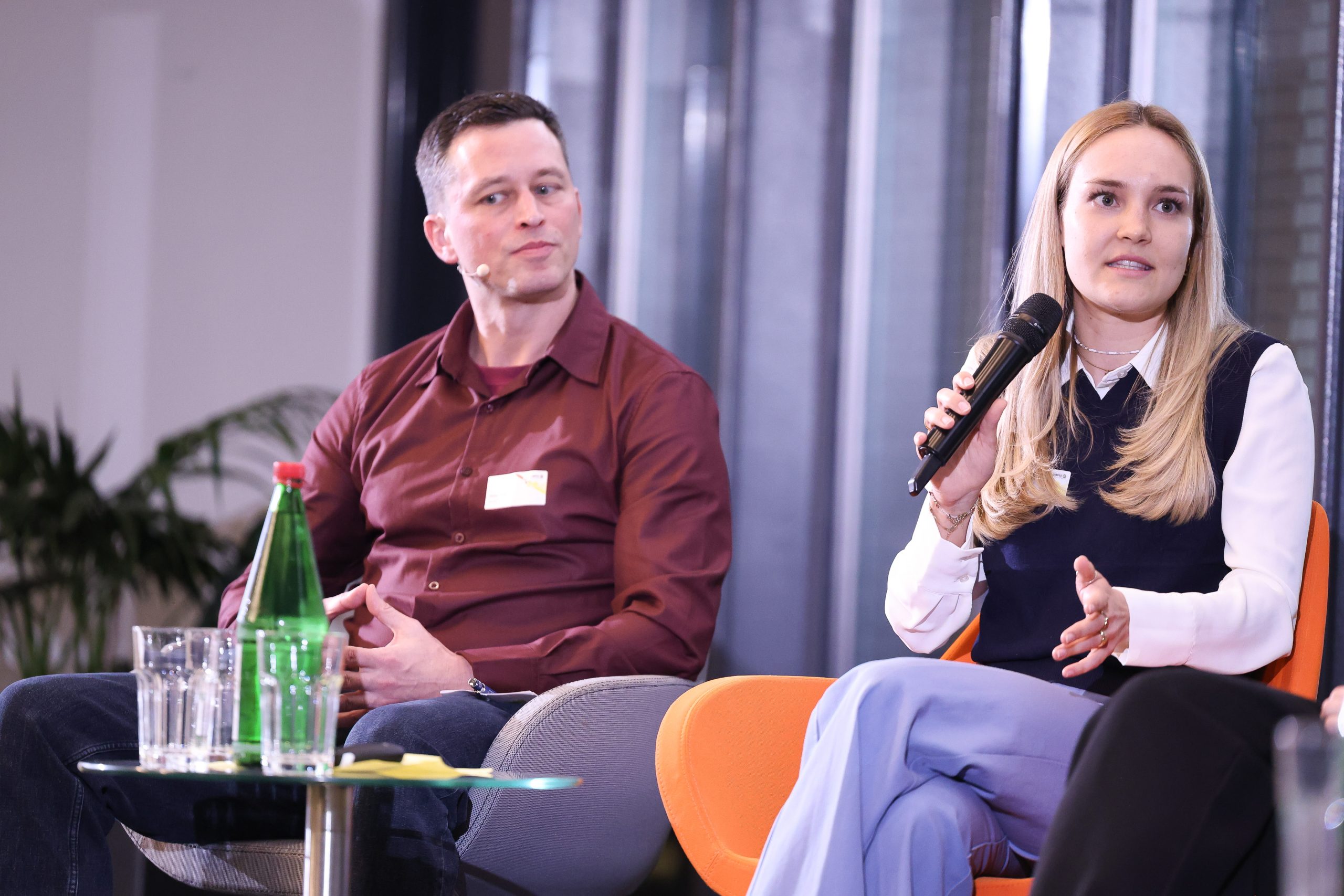
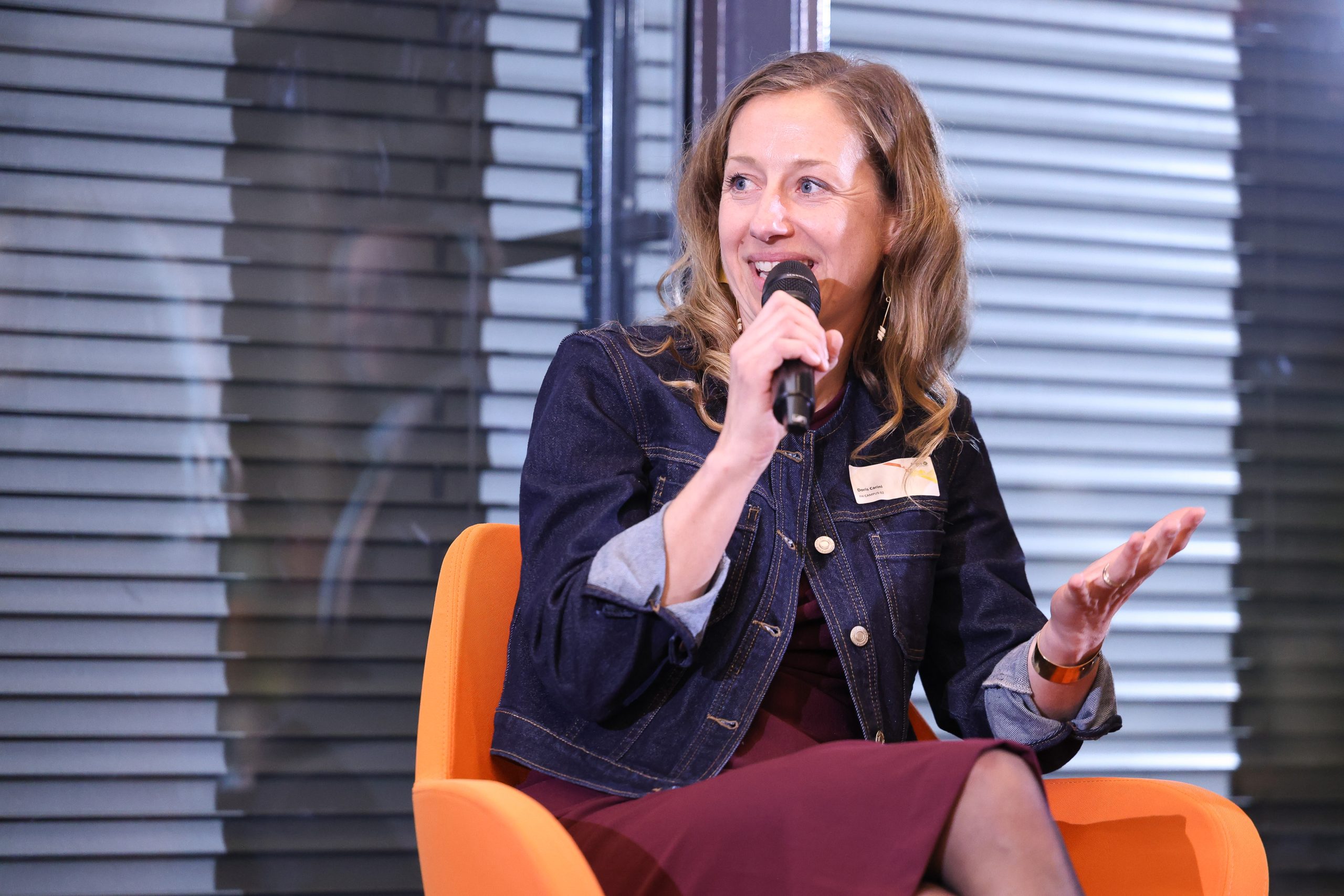
The concluding panel discussion featuring Stefan Auer, Kathrin Hiller, Doris Carini and Clara Wawrina addressed many of these issues and highlighted just how complex the challenges surrounding trust, disinformation and authenticity really are.
One thing became particularly clear: corporate communications is undergoing a profound transformation, and there are rarely any simple answers.
Perspective
The event provided plenty of food for thought and raised key questions that extend far beyond a single evening.
Anyone wishing to explore the topics of disinformation, platform logic and the strategic handling of authenticity in greater depth has something to look forward to: a detailed white paper containing further insights will be published shortly.

© Fotocredit: Oliver Wolf